
Quick Answers
What is trenchless sewer replacement?
A method of replacing or renewing underground sewer pipes with minimal excavation, using techniques like pipe bursting or pipe lining (CIPP).
Is it as strong as traditional replacement?
Yes—when properly selected and installed. Trenchless can restore structural integrity and flow without major surface damage.
When should I consider it?
If you have recurring backups, root intrusion, broken/collapsed pipe sections, or frequent clogs that keep returning—even after cleaning.
Niagara-on-the-Lake isn’t a “cookie-cutter subdivision” town. It’s a mix of:
Traditional sewer replacement often means long trenches across yards, walkways, or driveways. Trenchless methods can often reduce that to small access points, which can be a huge benefit for NOTL homeowners—especially in Old Town, St. Davids, and established areas of Virgil and Queenston.
Before starting, it’s important to consider related solutions that protect your home: ensuring effective basement waterproofing, installing a backwater valve to prevent sewer backups, and integrating a sump pump system for reliable groundwater management.


If you’re seeing one or more of these repeatedly, the line may be structurally failing:
If cleaning is becoming a monthly subscription you never signed up for, trenchless replacement may be the “one-and-done” fix.
Here’s the simplest way to think about it:
Drain cleaning is best when:
Repair/spot replacement is best when:
Trenchless replacement is best when:
We recommend trenchless only when it’s the best fit for your pipe condition and layout.


Pipe Bursting (Replace the pipe with a new one)
Best for: collapsed pipes, severely cracked pipes, pipes that can’t be lined reliably
How it works:
Why homeowners like it:
CIPP Pipe Lining (Cured-In-Place Pipe = “renew the pipe from the inside”)
Best for: pipes with cracks, root intrusion, or deteriorated joints where the pipe still holds a consistent pathway
How it works:
Why homeowners like it:
Important note: Trenchless lining isn’t for every situation (for example, fully collapsed or severely misaligned lines may require pipe bursting or targeted excavation). That’s why inspection matters.
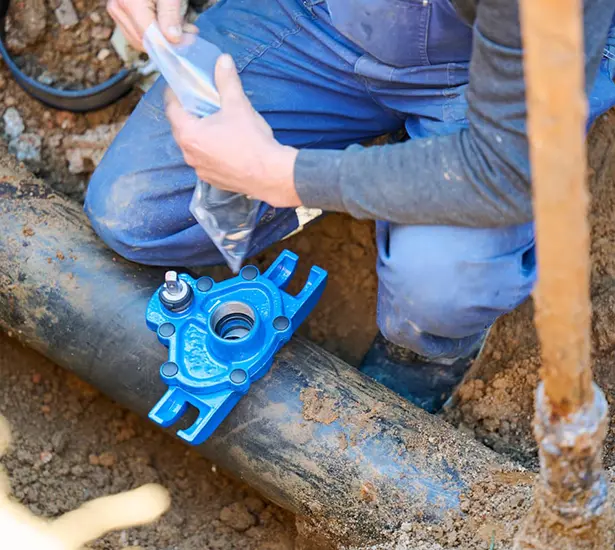

Step 1: Diagnosis first (no guessing underground)
We start by understanding:
Often this includes camera inspection to confirm whether we’re dealing with roots, cracks, offsets, bellies (sags), or collapse.
Step 2: Locate + plan access points
We determine:
Step 3: Prepare the pipe (cleaning, clearing, root removal as needed)
For lining, the pipe must be cleaned properly. For bursting, access is prepared to pull the new pipe through.
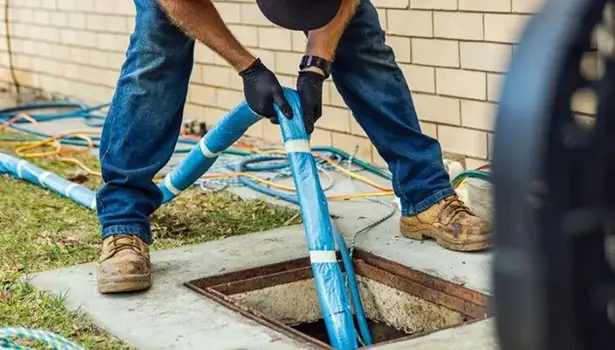

Step 4: Trenchless replacement or lining
Step 5: Test flow + final verification
We confirm:
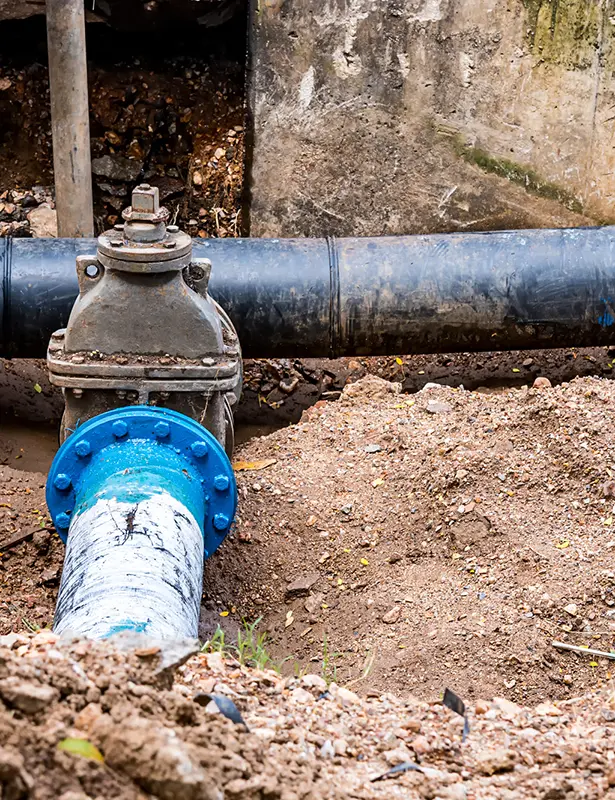
Case Study: Old Town Niagara-on-the-Lake
Area: Old Town (L0S 1J0)
Situation: Homeowner experienced recurring backups, especially during heavy water use and storm periods. Multiple drains slowed at once, and snaking offered only temporary relief.
What we found
Why trenchless was the best choice
Solution
Result
If you’re in Old Town or any area with mature trees and older infrastructure, this is a very common pattern: roots + aging joints + recurring backups. For thorough, long-term solutions, homeowners rely on McDowell Drain & Waterproofing.
Minimal property disruption
Less digging across lawns, gardens, driveways, and walkways.
Faster restoration
Often quicker than full open-trench excavation.
Long-term reliability
You’re not just clearing symptoms—you’re fixing the structure of the pipe.
Reduced future clog risk
A renewed pipe interior reduces snag points and entry gaps for roots.
Strong resale and peace of mind value
A reliable sewer line is one of the biggest “invisible upgrades” you can make—especially in a premium market like NOTL.


A failing sewer line can lead to:
Trenchless replacement helps stop the cycle and protects your home from high-impact failures.
“Will Trenchless Work for My Home?” (Fast Fit Check)
Trenchless may be a great fit if:
Trenchless may not be ideal if:
We’ll recommend the best option after inspection—repair, partial replacement, or trenchless.


This is not a DIY job, and it’s not a “lowest price wins” job either. A sewer line is too important.
Homeowners choose us because:
Our goal is to solve the problem permanently, with minimal disruption.
Book Trenchless Sewer Replacement in Niagara-on-the-Lake
If you’re experiencing recurring backups, slow drains throughout the home, sewer smells, or known root intrusion, trenchless sewer replacement may be the smartest way to permanently restore your line—without turning your yard into a trench.
Check out more such reviews!
The Department of Energy points out that moisture mismanagement can damage your foundation and give mold a perfect home, proper drainage, grading, and waterproofing help keep those issues at bay. (Source)
Why Choose McDowell Drain & Waterproofing for NOTL Basement Waterproofing?
Homeowners call us when they want the fix done once, done right, and explained clearly.
We treat waterproofing like what it is: protecting the structure of your home, not just “getting rid of water.”
USP | Details |
|---|---|
| 45+ Years of Proven Industry Experience | McDowell Drain & Waterproofing has been protecting homes for over four decades—experience that cannot be replicated. |
| 20-Year Written Warranty on Waterproofing Systems | Long-term protection backed by a 20-year warranty, not short-term promises. |
| 3,500+ Successfully Completed Projects | Thousands of waterproofing and drainage projects completed across residential properties. |
| Niagara Region Specialists | Deep expertise in local soil conditions, water tables, and aging infrastructure unique to the Niagara Region. |
| Complete Drainage & Waterproofing Solutions | Interior waterproofing, exterior waterproofing, drain repair, sump pumps, backwater valves—handled by one expert team. |
| Permanent Fixes, Not Temporary Repairs | Root-cause solutions that stop water problems permanently, not seasonal patchwork. |
| Honest Diagnostics & Clear Explanations | Homeowners receive transparent inspections with practical recommendations—no scare tactics. |
| Trusted by Local Homeowners for Generations | A reputation built through decades of consistent workmanship and word-of-mouth trust. |
| Clean, Respectful, Professional Worksites | Work completed with care for the home, landscaping, and living space. |
| Fast Response for Drainage & Water Emergencies | When water threatens your home, McDowell responds quickly to limit damage. |
It’s minimal digging, not zero. Usually we need access points, but it’s far less disruptive than full trenching.
Pipe bursting replaces the pipe entirely by breaking the old one and pulling a new one through.
Pipe lining creates a new pipe inside the existing pipe using a cured resin liner.
If clogs keep returning or multiple fixtures back up, you likely need camera inspection to confirm the pipe condition.
It can greatly reduce root entry by sealing gaps and cracks (especially lining). But root management also includes good maintenance habits.
Often yes—especially because minimizing surface disruption is a major advantage for older properties with established landscapes.
Yes. A renewed pipe interior typically improves drainage performance and reduces snag points.
Common causes include root intrusion, aging joints, cracked pipes, soil movement, pipe belly/sags, and collapse.
It depends on the property. Trenchless can be cost-effective when you factor in reduced restoration costs (landscaping, driveway repairs, etc.).
If the problem is recurring or severe, yes—it’s the best way to choose the correct method and avoid wasted money.
Yes—if backups are caused by a failing or restricted sewer line. If backups are from municipal surcharge, a backwater valve may also be recommended.
Basement flooding during rain indicates drainage failure or hydrostatic pressure. Professional waterproofing and drainage correction are required to prevent structural damage.
Recurring leaks mean the underlying drainage or foundation issue was never properly resolved. Permanent interior or exterior waterproofing systems are required.
Yes. Water-leaking foundation cracks worsen over time and can compromise structural integrity if not professionally repaired.
Sewer backups occur when municipal systems overload. Installing a backwater valve or repairing drainage lines is the only permanent solution.
A failed sump pump leaves your basement vulnerable to flooding. Immediate repair or replacement is required to restore protection.
Cove joint leaks occur where the wall meets the floor and require an interior drainage system—not surface patching.
Yes. Persistent musty smells signal trapped moisture and potential mold growth that must be addressed through waterproofing.
Exterior water pooling increases pressure against foundation walls and leads to leaks. Drainage correction is required.
Yes. Insurers and home inspectors often require documented waterproofing repairs before approving claims or home sales.
Finished basement damage requires immediate waterproofing to stop repeat losses and protect the home’s value.
