McDowell Drain & Waterproofing | Sewer backup protection for Old Town, Virgil, St. Davids, Queenston, Glendale & nearby
A basement flood from sewage backup is the kind of problem nobody forgets (and nobody wants to smell twice). In Niagara-on-the-Lake, heavy rainstorms, spring thaw, and overloaded municipal sewer lines can sometimes cause sewer surcharge—where wastewater tries to flow backward through your home’s sewer lateral and out of the lowest openings (floor drains, basement toilets, laundry drains). When warning signs like recurring backups or slow drainage appear, underlying issues often traced during drain repair inspections tend to surface.
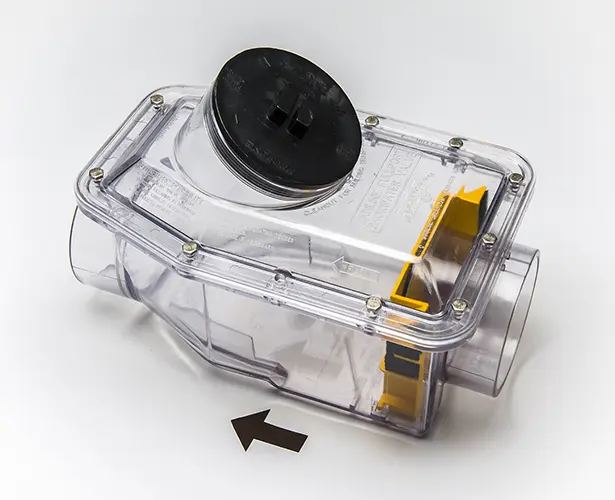
A backwater valve is a simple but powerful defense: it’s a one-way gate installed on your home’s main sewer line that helps stop wastewater from reversing into your basement. In homes already managing groundwater with a sump pump, a backwater valve adds another critical layer of protection against storm-related sewer events.
At McDowell Drain & Waterproofing, we install backwater valves in NOTL with a “do it once, do it right” approach: correct placement, code-aware installation, clean access for maintenance, and clear homeowner education—because a backwater valve you don’t understand is like a seatbelt you never buckle. For properties at higher risk, professional backwater valve installation can be the difference between a dry basement and a costly cleanup.
A backwater valve is a one-way valve installed on your home’s main sewer line to help prevent sewage from flowing back into your basement during sewer surcharge events.
Homeowners with basements—especially those who’ve had sewer smells, floor drain backups, or any previous backup, and homes with lower plumbing fixtures below street level.
Basement floor drains, basement toilets, laundry drains, and any low plumbing connection that becomes a “path of least resistance” during sewer overload.





You don’t need to wait for a full sewage backup to act. These warning signs matter:
• Gurgling sounds from basement drains during heavy rain
• Floor drain water rising or bubbling when toilets flush
• “Sewer smell” that appears after storms
• Slow basement drain only during wet weather (not during dry weeks)
• Past backup event (even a small one)
• You have a finished basement and want stronger protection
• Your home is older and you’re not sure if a valve exists (many homeowners assume it’s there—it often isn’t)
If any of these are happening, you’re in the right place—and a professional assessment from McDowell Drain & Waterproofing can help identify the risk and the right next step.
What it does:
✅ Helps prevent reverse-flow sewage from entering your home through the main sewer line
✅ Protects low points like basement floor drains and basement plumbing
✅ Reduces the chance of a catastrophic sewer backup event during surcharge conditions
What it doesn’t do:
❌ It doesn’t prevent flooding from groundwater or foundation seepage (that’s waterproofing / sump pump territory)
❌ It doesn’t fix a clogged sewer lateral (if your line is blocked, you need cleaning/repair)
❌ It doesn’t eliminate all flood risk (but it reduces one of the nastiest types)
Think of it like this: backwater valve = sewage backup protection.
Sump pump + waterproofing = groundwater protection.
Homes in NOTL often benefit from having the right system for the right water problem.
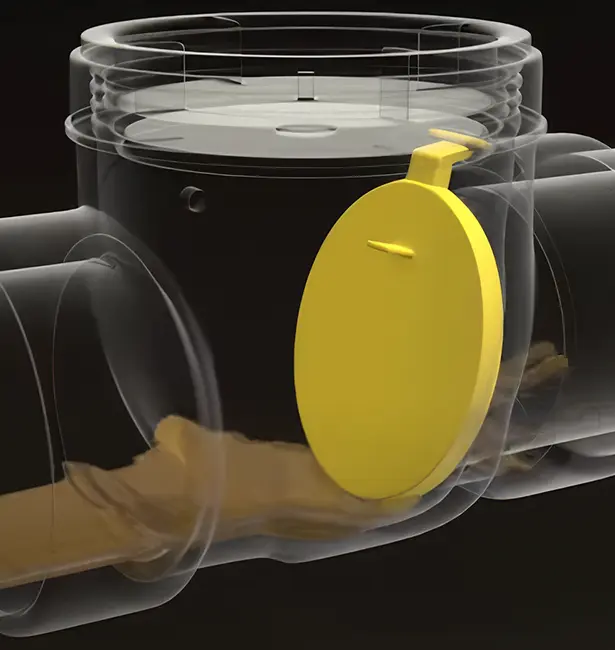
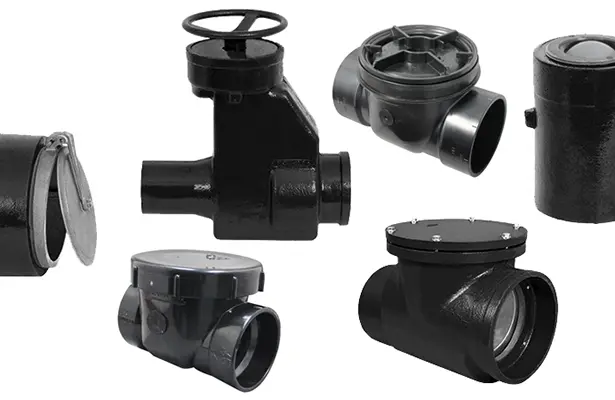
There are different styles, but what matters most is:
Some systems also include features like a manual override or clear access ports. We’ll recommend a valve type based on your home’s setup and what’s practical to maintain
Here’s the part most pages won’t tell you clearly:
A backwater valve is not a “set it and forget it forever” device.
Because it sits in the sewer line, it can collect:
If it can’t fully close, it can’t protect you properly.
A maintained valve = a valve that actually works when the storm hits.
We evaluate:
• your plumbing layout (where the main line runs)
• basement fixture elevations (low points)
• any history of backups
• access options for installation and future maintenance
Placement matters. We aim for:
• accessibility (so it can be serviced)
• correct orientation and slope alignment
• proper sealing and fit
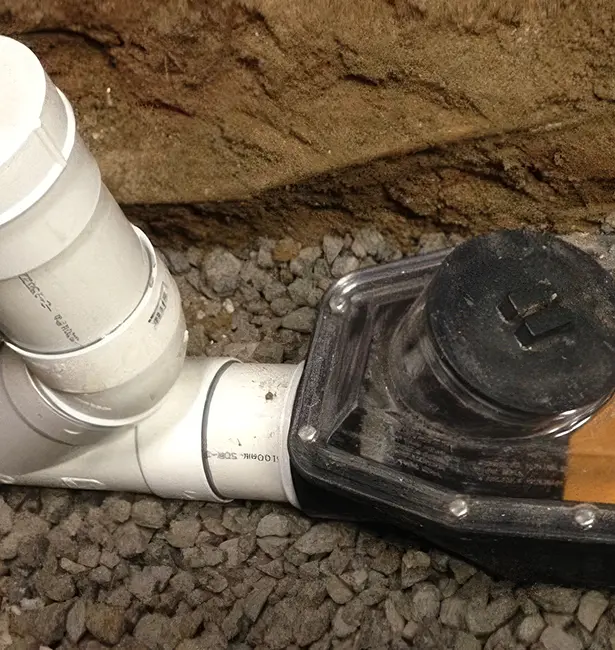
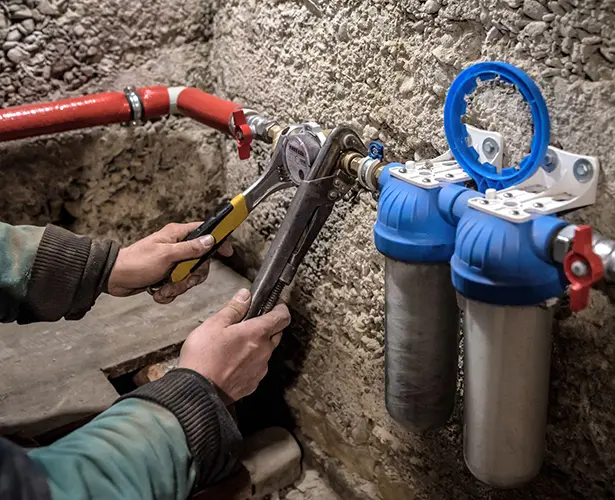
Backwater valve installs often require cutting into the sewer line, installing the valve body, and restoring the area cleanly. We focus on neat workmanship and long-term serviceability.
We don’t just install and vanish like a magic trick. We:
• test the valve operation
• explain how it works
• show you what maintenance looks like
• clarify what to do during extreme storm events
A sewage backup isn’t just “water on the floor.” It often means:
• contaminated cleanup
• removal of drywall/insulation/baseboards
• odor remediation
• disposal of damaged belongings
• potential mold issues from wet materials
• downtime (you can’t “live normally” during remediation)
A backwater valve helps reduce the chance you’ll ever have to experience that nightmare scenario.
Even a “small” sewage backup can cost thousands once you factor in:
• professional cleanup and sanitization
• drying equipment
• demolition/removal of contaminated materials
• replacement of flooring and drywall
• damaged furniture and stored items
A backwater valve is often one of the most cost-effective upgrades for preventing a high-impact event—especially if you have:
a history of drainage issues on your street
Area: St. Davids (L0S 1J0)
Home type: Family home with basement laundry + floor drain
Issue: During heavy rainfall, the homeowner noticed gurgling and occasional water rise at the floor drain. No full backup yet—but the warning signs were loud and clear.
What we found
• Basement floor drain was the lowest opening
• During storm periods, the system showed symptoms consistent with surcharge stress
• Homeowner also had a finished basement area nearby (higher damage risk)
Solution
• Installed a backwater valve on the main sewer line in an accessible location
• Ensured proper sealing and clean-out/service access
• Walked the homeowner through maintenance and “do’s and don’ts” (especially wipes/grease)
Outcome
• Reduced risk of a severe sewage backup event
• Homeowner gained peace of mind during storms (and protected the finished space)
This is the ideal time to install—before the disaster, not after.
Check out more such reviews!
The Department of Energy points out that moisture mismanagement can damage your foundation and give mold a perfect home, proper drainage, grading, and waterproofing help keep those issues at bay.
Homeowners call us when they want the fix done once, done right, and explained clearly.
We treat waterproofing like what it is: protecting the structure of your home, not just “getting rid of water.”
USP |
Details |
|---|---|
| 45+ Years of Proven Industry Experience | McDowell Drain & Waterproofing has been protecting homes for over four decades—experience that cannot be replicated. |
| 20-Year Written Warranty on Waterproofing Systems | Long-term protection backed by a 20-year warranty, not short-term promises. |
| 3,500+ Successfully Completed Projects | Thousands of waterproofing and drainage projects completed across residential properties. |
| Niagara Region Specialists | Deep expertise in local soil conditions, water tables, and aging infrastructure unique to the Niagara Region. |
| Complete Drainage & Waterproofing Solutions | Interior waterproofing, exterior waterproofing, drain repair, sump pumps, backwater valves—handled by one expert team. |
| Permanent Fixes, Not Temporary Repairs | Root-cause solutions that stop water problems permanently, not seasonal patchwork. |
| Honest Diagnostics & Clear Explanations | Homeowners receive transparent inspections with practical recommendations—no scare tactics. |
| Trusted by Local Homeowners for Generations | A reputation built through decades of consistent workmanship and word-of-mouth trust. |
| Clean, Respectful, Professional Worksites | Work completed with care for the home, landscaping, and living space. |
| Fast Response for Drainage & Water Emergencies | When water threatens your home, McDowell responds quickly to limit damage. |
No. It helps prevent sewage backups from the sewer line. Groundwater seepage needs waterproofing and/or a sump pump.
Yes, if sewer backup risk exists. A sump pump moves groundwater—not sewage in your sewer lateral.
Normally, no. Wastewater flows out as usual. The valve closes only if flow tries to reverse.
Yes—periodic inspection/cleaning helps ensure the flap/gate closes properly when needed.
Avoid wipes (even “flushable”), paper towels, feminine products, grease, and anything that can snag or build up.
If misinstalled or neglected, it can contribute to restriction. Correct installation + basic maintenance prevents most issues.
Typically on the main sewer line before the connection leaves your home—placed so it’s accessible for service.
Absolutely. Finished basements have higher restoration costs, so prevention offers strong value.
Then you may need drain cleaning or repair first. A backwater valve is protection—but a blocked line is a separate issue.
Before a major storm season—or any time you notice early warning signs like gurgling or floor drain rise.
Basement flooding during rain indicates drainage failure or hydrostatic pressure. Professional waterproofing and drainage correction are required to prevent structural damage.
Recurring leaks mean the underlying drainage or foundation issue was never properly resolved. Permanent interior or exterior waterproofing systems are required.
Yes. Water-leaking foundation cracks worsen over time and can compromise structural integrity if not professionally repaired.
Sewer backups occur when municipal systems overload. Installing a backwater valve or repairing drainage lines is the only permanent solution.
A failed sump pump leaves your basement vulnerable to flooding. Immediate repair or replacement is required to restore protection.
Cove joint leaks occur where the wall meets the floor and require an interior drainage system—not surface patching.
Yes. Persistent musty smells signal trapped moisture and potential mold growth that must be addressed through waterproofing.
Exterior water pooling increases pressure against foundation walls and leads to leaks. Drainage correction is required.
Yes. Insurers and home inspectors often require documented waterproofing repairs before approving claims or home sales.
Finished basement damage requires immediate waterproofing to stop repeat losses and protect the home’s value.