Basement renovations usually start with a clear vision – a cozy family den, home office, maybe even a gym. But here’s something a lot of people don’t think through: if you don’t get the waterproofing right, that “dream space” can turn into a nightmare fast.
Waterproofing isn’t just some finishing touch you throw in at the end. It’s the part that quietly holds everything else together. If that fails, everything sitting on top of it fails too.
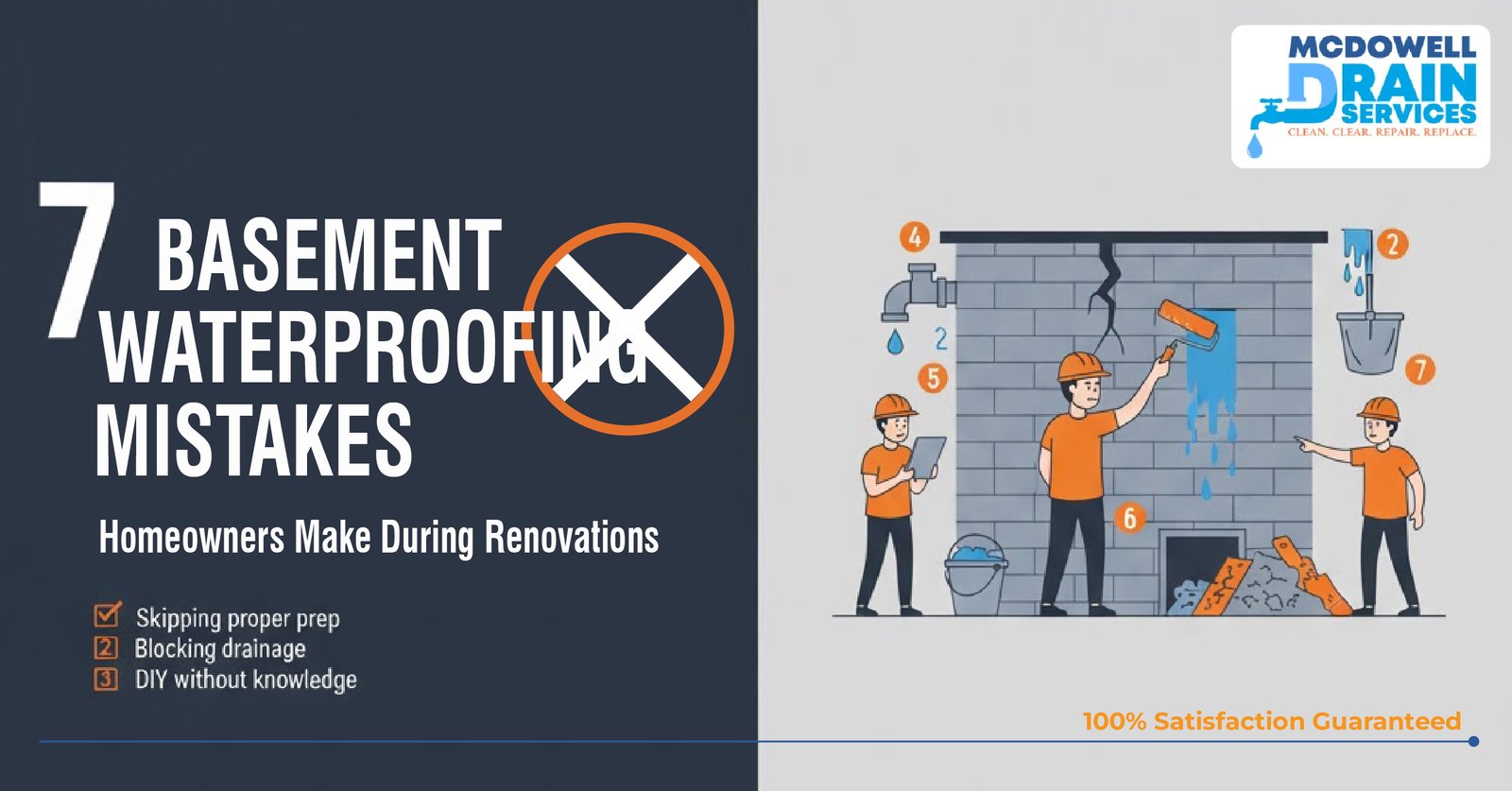
Below are seven common waterproofing mistakes homeowners make during renovations. If you’re planning work downstairs, avoid these like the plague.
1. Brushing Off Small Moisture Clues
Tiny damp patches. A musty smell. A bit of paint peeling in the corner. Most people glance at these and think, “eh, nothing major.” That’s the trap. Those small signs are often the early whispers of a bigger leak waiting to happen.
Once you box up the walls, lay floors, or add insulation, that trapped moisture doesn’t just sit there quietly – it spreads. Mold loves dark, closed spaces, and by the time you notice, the damage is expensive to fix.
What to do
- Take a slow lap around the basement and really inspect every surface.
- Look for discolored patches, hairline cracks, soft spots, or peeling paint.
- Use a moisture meter if you want to be thorough.
- Fix what you find before you build over it. Don’t assume it’ll sort itself out later.
2. Forgetting the Outside World
People obsess over sealants, sump pumps, vapor barriers – all interior stuff. Meanwhile, outside, their grading is sloped toward the house and the gutters are packed with leaves. Water’s got one job: it finds the easiest path. And if that path leads to your foundation, it’ll get there.
What to do
- Make sure the ground around your home slopes away, not toward the walls.
- Clean gutters and extend downspouts.
- If exterior waterproofing (like membranes or weeping tiles) doesn’t exist yet, renovation time is the smartest time to do it. Doing it afterward is way messier and costlier.
3. Hiding Foundation Cracks
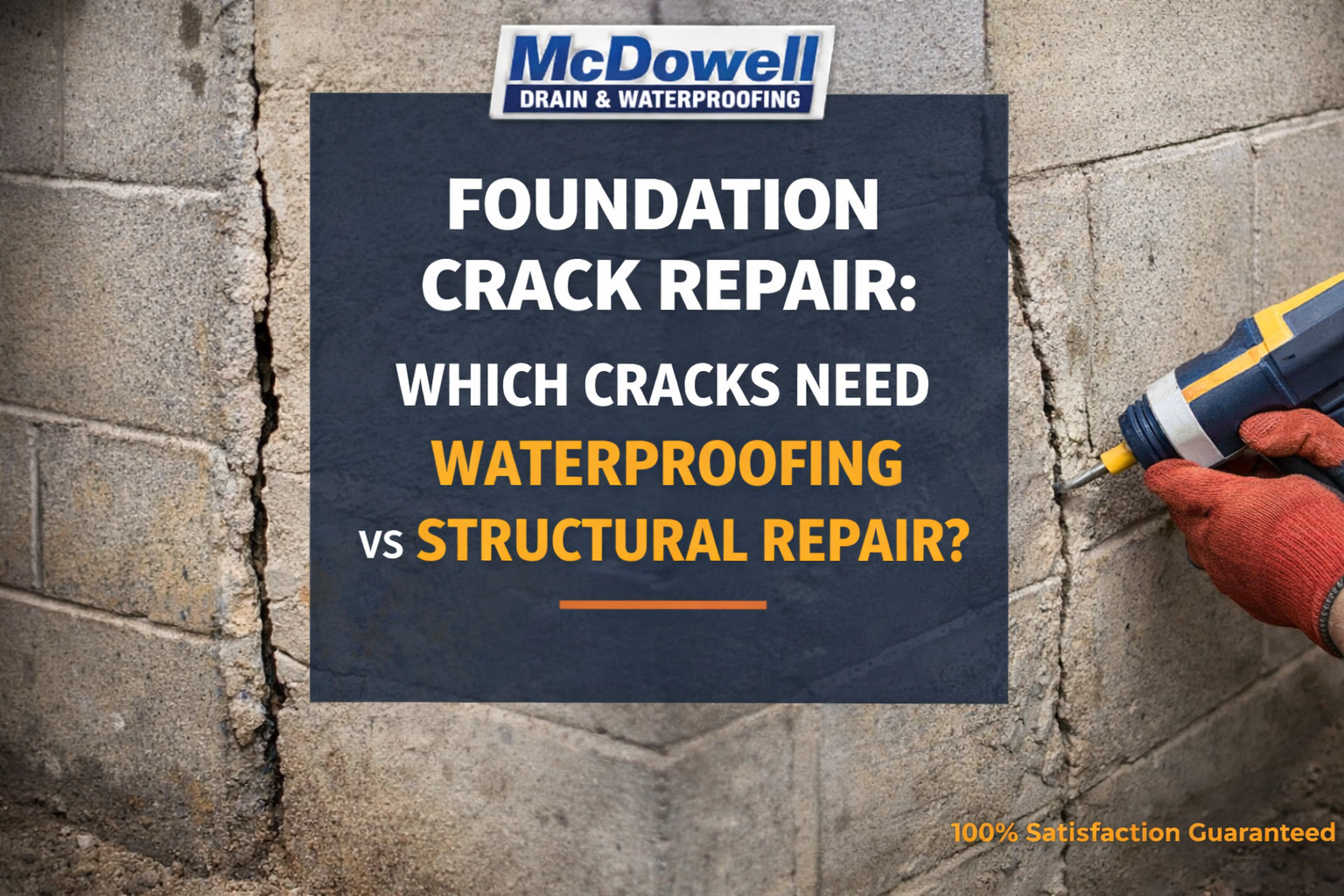
Hairline cracks look harmless. You want to keep your project moving, so covering them up seems fine. But seasons change, the soil expands and contracts, and that “tiny” crack slowly becomes a water entry point. Over time, this kind of hidden moisture intrusion can lead to visible damage or mineral buildup on basement walls. Once the walls are finished, you’ll have to rip everything apart to fix it.
What to do
- Seal cracks properly, not superficially.
- Use polyurethane or epoxy injections that fill deep inside.
- Cheap surface patching pastes won’t hold up once pressure builds.
4. Skipping Drainage Systems
A basement without drainage is like a bathtub without a drain. If water gets in, it just sits there.
Homeowners often skip interior weeping tiles or perimeter drainage because they’re caught up choosing flooring and wall colors. That’s backwards. Without drainage, any water that sneaks in has nowhere to go.
What to do
- If your house doesn’t have interior perimeter drains, consider installing them before any finishing work.
- Tie the system into a sump pit to manage groundwater quietly.
- It’s way easier (and cheaper) to do this now than to dig through a finished floor later.
5. Picking the Wrong Floors
Basements are naturally humid. Even if you think it’s dry, moisture slowly rises from the slab. Throwing in regular hardwood or bargain laminate is basically asking for warped boards and musty smells a year down the line.
What to do
- Go for vinyl planks, ceramic tiles, or special subfloors designed for basements.
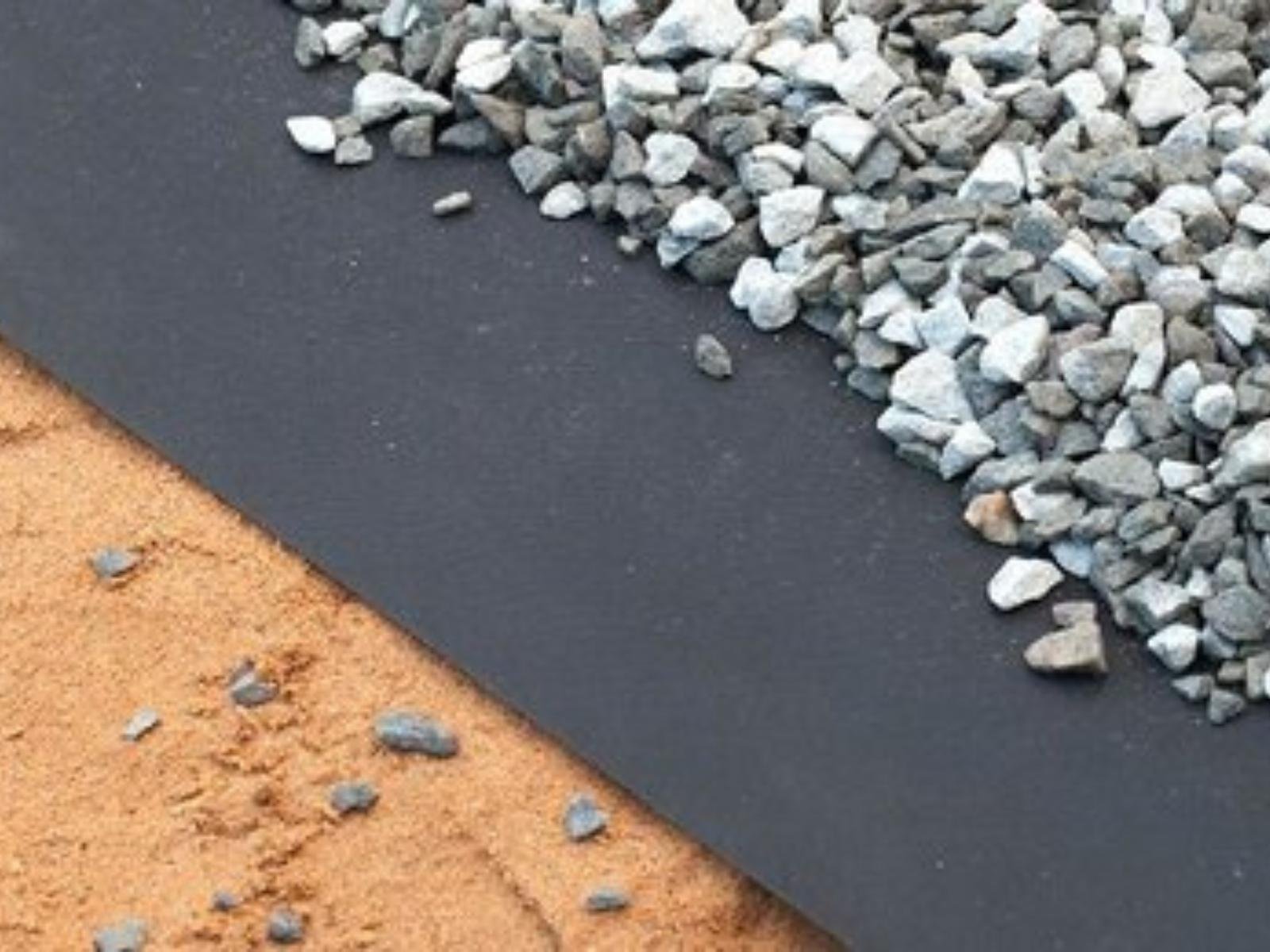
- Lay down a proper vapor barrier underneath to let moisture breathe out instead of trapping it.
6. Sealing Away Access Points
Sump pumps, cleanouts, backwater valves – they’re not pretty, so people hide them. The problem is, when something goes wrong, you have to break through walls or flooring just to get to them.
In the future you will curse the present you.
What to do
- Build neat, removable access panels around key waterproofing components.
- Keep things reachable for fast & quick maintenance and inspections.
- It’s one of those details that saves massive headaches later.
7. Not Thinking Ahead
“I’ve never had a leak down here, so why bother?” Famous last words. Soil shifts. Foundations settle. Weather patterns change. A basement that’s bone-dry today might not stay that way forever.
What to do
- Add preventive measures during renovation – not after problems appear.
- Consider putting in a sump pit even if unused, seal walls properly, improve exterior grading, and lay vapor barriers.
- A little foresight now can save you tearing everything apart a few winters from now.
Basement renovations can genuinely transform how you use your home. But waterproofing is the invisible backbone of that transformation. Miss it, and every dollar you spend on decor, flooring, and furniture is at risk.