McDowell Drain & Waterproofing | Fast, reliable basement protection for Old Town, Virgil, St. Davids, Queenston, Glendale & nearby
A sump pump is your basement’s “last line of defense” against groundwater and storm runoff. In Niagara-on-the-Lake, where heavy rain, spring thaw, and fluctuating groundwater can push moisture toward foundations, a properly installed sump pump system can be the difference between a dry basement… and an expensive cleanup.
At McDowell Drain & Waterproofing, we install and replace sump pumps across NOTL with a focus on what actually matters to homeowners: correct sizing, correct pit setup, correct discharge routing, and smart backup planning—because a sump pump that fails during a storm is basically a fancy basement decoration.
If you’re skimming, here’s the quick truth:
• A sump pump removes groundwater from under your basement and sends it safely away from your home.
• You likely need one if you’ve had dampness, seepage, puddles, or past flooding—especially after storms or snowmelt, which often overlap with the need for proper basement waterproofing.
• The #1 installation mistake is bad discharge routing (water gets pumped… then returns right back to your foundation).
• The #1 reliability upgrade is a battery backup + high-water alarm (because storms and power outages love to arrive together).
• A properly installed system helps prevent mold, finished basement damage, foundation issues, and repeat flooding costs—especially when paired with proactive drain repair to keep water moving away efficiently.





Niagara-on-the-Lake has a mix of home styles—from historic properties in Old Town to newer builds around Glendale and family neighborhoods in Virgil. Many homes also deal with:
When rain comes down hard in a short time, the ground saturates quickly and water pressure rises around foundations. That pressure pushes water toward cracks, cove joints, floor drains, and porous concrete.
Snowmelt and freeze-thaw cycles can increase groundwater movement and expose weak points in drainage systems. This is when many homeowners first notice that “basement smell” or damp patches.
Some areas drain quickly; others hold moisture longer. When water lingers in the soil near your foundation, your basement becomes the easiest “low point” for moisture to travel.
A sump pump system gives that water a controlled exit route—before it becomes a basement problem.
You may benefit from sump pump installation or replacement if you notice:
You’ve had even one basement flood event (because basements are repeat offenders)
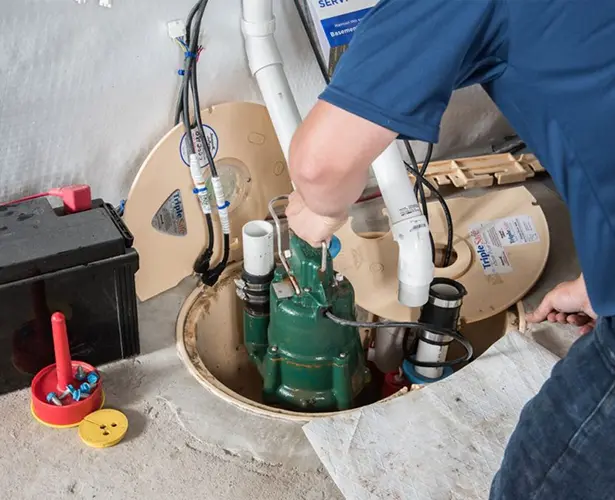
A sump pump isn’t magic. It’s just smart physics.
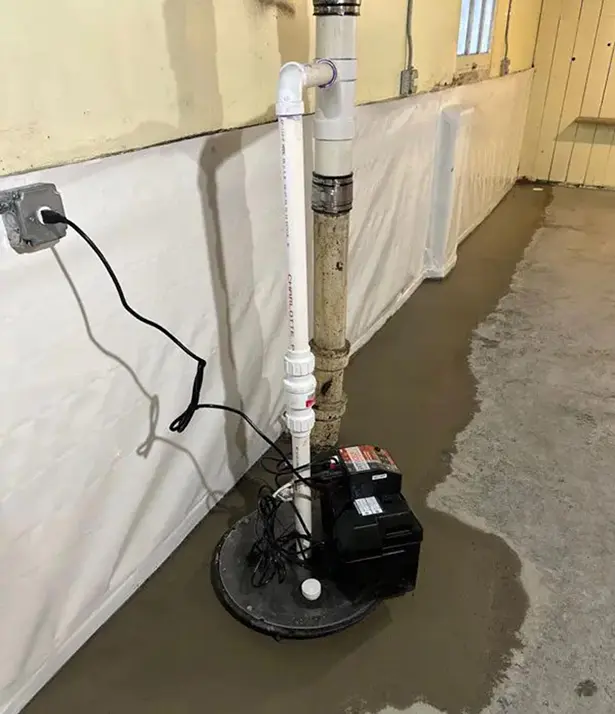
A “good system” isn’t just the pump. It’s:
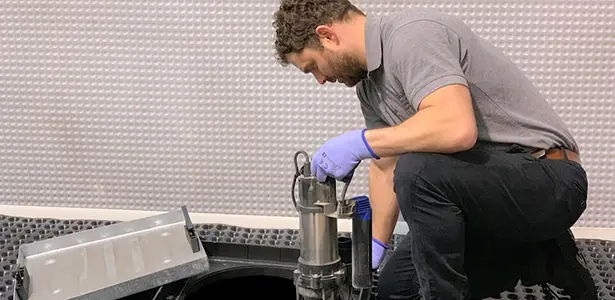
This is your everyday workhorse. We typically recommend a submersible pump for most finished or semi-finished basements because it’s quieter and sits inside the pit.
Best for: regular seepage control, stormwater spikes, and general groundwater protection.
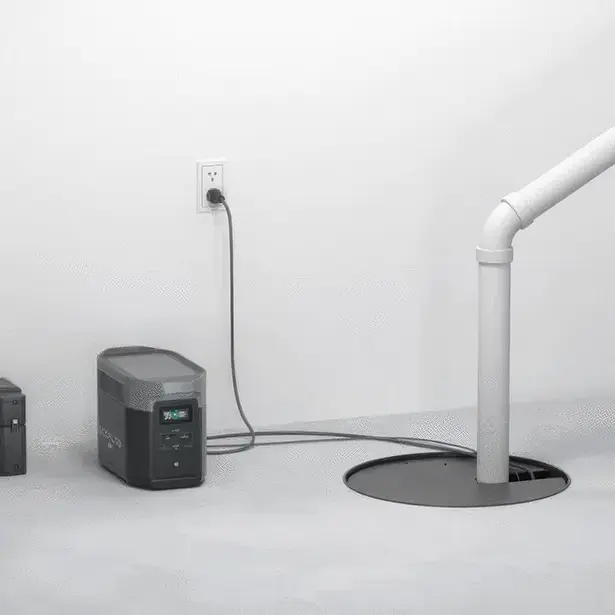
Power outages often happen during storms—the exact time you need pumping the most. A battery backup system kicks in automatically when the power fails or when the primary pump can’t keep up.
Best for: homeowners with finished basements, previous flooding, valuables stored in basements, or areas with occasional outages.
An alarm alerts you if water rises too high—often before flooding begins.
Best for: anyone who wants early warning (especially if you travel or don’t check the basement daily).
Some systems can notify you on your phone if the pump runs too long, fails, or the pit water rises.
Best for: rental properties, Airbnb basements, or anyone who wants peace of mind.
Crack repair is critical—because a crack is basically a water invitation. We use repair methods appropriate to the crack type and foundation material, aiming for structural safety and real water tightness (not “patch and pray”).
We keep it clear, practical, and built for long-term performance:
We check moisture patterns, pit location, existing drainage, and the best discharge route.
Finished basement? Storage only? History of flooding? We recommend the right system—primary only, or primary + backup + alarm.
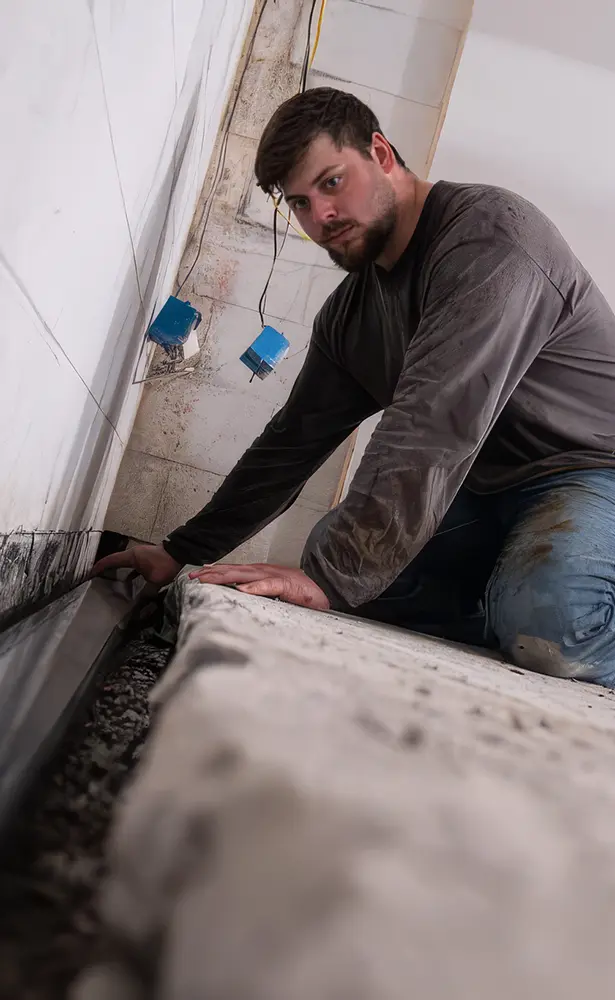
If you don’t have a pit (or it’s too small / poorly placed), we install or correct it so the pump can actually do its job.
We install properly, test cycling, and ensure solid sealing and stable placement.
We route discharge to help prevent recirculation and freezing issues.
We test the system, explain maintenance, and show you what “normal” operation looks like.
A sump pump system is one of those upgrades that doesn’t feel exciting… until it saves you.
It can help you avoid:
• Emergency water removal and drying
• Mold growth and remediation
• Drywall, flooring, trim, and insulation replacement
• Damaged furniture and stored items
• Future foundation cracking worsened by water pressure
• The stress of recurring “is it leaking again?” cycles
Even one avoided basement flood can justify the investment.
Area: Virgil / Niagara-on-the-Lake (L0S 1J0)
Situation: Homeowner had a finished basement and noticed dampness + occasional puddling after heavy rain. The existing sump pump was older and ran frequently, but still struggled during storms.
Risk: One storm + one power outage could have meant a full basement restoration.
What we did
• Installed a new primary sump pump sized for performance and reliability
• Added a battery backup sump pump system to protect during outages
• Installed a high-water alarm for early warning
• Improved discharge routing so pumped water wouldn’t return to the foundation
Outcome
• Basement stayed dry during storm cycles
• The homeowner gained reliability + peace of mind (especially with a finished basement)
• Reduced humidity and “storm anxiety” (yes, that’s a real thing once you’ve had water down there)
When you hire a sump pump installer, you’re not just buying a pump—you’re buying correct design and correct execution.
Homeowners choose us because:
• 45+ years of Niagara Region experience
• Local understanding of NOTL basements, drainage patterns, and common failure points
• Transparent recommendations based on your home and your basement use
• Reliable installation practices (pit, pump, valve, discharge—done as a system)
• Options for upgrades like battery backup and alarms
• A team focused on long-term protection, not quick patchwork
If your basement has dampness, seepage, storm puddles—or you just want to protect a finished basement properly—McDowell Drain & Waterproofing can help you choose the right sump pump system and install it the right way.
Service Area: Niagara-on-the-Lake (Old Town, Virgil, St. Davids, Queenston, Glendale) and the Niagara Region.
Check out more such reviews!
The Department of Energy points out that moisture mismanagement can damage your foundation and give mold a perfect home, proper drainage, grading, and waterproofing help keep those issues at bay. (Source)
Homeowners call us when they want the fix done once, done right, and explained clearly.
We treat waterproofing like what it is: protecting the structure of your home, not just “getting rid of water.”
USP |
Details |
|---|---|
| 45+ Years of Proven Industry Experience | McDowell Drain & Waterproofing has been protecting homes for over four decades—experience that cannot be replicated. |
| 20-Year Written Warranty on Waterproofing Systems | Long-term protection backed by a 20-year warranty, not short-term promises. |
| 3,500+ Successfully Completed Projects | Thousands of waterproofing and drainage projects completed across residential properties. |
| Niagara Region Specialists | Deep expertise in local soil conditions, water tables, and aging infrastructure unique to the Niagara Region. |
| Complete Drainage & Waterproofing Solutions | Interior waterproofing, exterior waterproofing, drain repair, sump pumps, backwater valves—handled by one expert team. |
| Permanent Fixes, Not Temporary Repairs | Root-cause solutions that stop water problems permanently, not seasonal patchwork. |
| Honest Diagnostics & Clear Explanations | Homeowners receive transparent inspections with practical recommendations—no scare tactics. |
| Trusted by Local Homeowners for Generations | A reputation built through decades of consistent workmanship and word-of-mouth trust. |
| Clean, Respectful, Professional Worksites | Work completed with care for the home, landscaping, and living space. |
| Fast Response for Drainage & Water Emergencies | When water threatens your home, McDowell responds quickly to limit damage. |
Yes—dampness is often the first warning sign. Moisture tends to escalate during storms and spring thaw.
Most homeowners prefer submersible (quieter, sealed, better for finished spaces). Pedestal can work in some setups but is usually noisier.
If you have a finished basement, valuables downstairs, or you’ve had water issues before—battery backup is strongly recommended.
Many pumps last years, but lifespan depends on run frequency, water conditions, and installation quality. Regular testing and clean pit conditions help.
That usually means groundwater is rising and draining into the pit (normal), or water is being discharged too close to the home and cycling back (fixable).
It helps a lot by reducing moisture and humidity, which are key mold drivers. Pairing sump protection with good drainage and humidity control is ideal.
Test the pump, listen for unusual sounds, ensure the discharge line is clear, and keep the pit reasonably clean. We’ll show you a simple checklist.
The pump can’t move water out, which increases flood risk. Proper discharge setup and winter-proofing are important in Niagara winters.
Some homeowners try, but incorrect pit setup, wrong sizing, or poor discharge routing causes many repeat failures. Professional installation is usually the safer long-term choice.
If you want early warning before flooding, yes. It’s one of the best low-cost add-ons.
Basement flooding during rain indicates drainage failure or hydrostatic pressure. Professional waterproofing and drainage correction are required to prevent structural damage.
Recurring leaks mean the underlying drainage or foundation issue was never properly resolved. Permanent interior or exterior waterproofing systems are required.
Yes. Water-leaking foundation cracks worsen over time and can compromise structural integrity if not professionally repaired.
Sewer backups occur when municipal systems overload. Installing a backwater valve or repairing drainage lines is the only permanent solution.
A failed sump pump leaves your basement vulnerable to flooding. Immediate repair or replacement is required to restore protection.
Cove joint leaks occur where the wall meets the floor and require an interior drainage system—not surface patching.
Yes. Persistent musty smells signal trapped moisture and potential mold growth that must be addressed through waterproofing.
Exterior water pooling increases pressure against foundation walls and leads to leaks. Drainage correction is required.
Yes. Insurers and home inspectors often require documented waterproofing repairs before approving claims or home sales.
Finished basement damage requires immediate waterproofing to stop repeat losses and protect the home’s value.