A basement should feel like a calm part of the house — a place you don’t have to think about every day. But when water starts showing up down there, it shifts from being “extra space” to “constant stress.” Most people only notice it when the smell changes or the walls feel a little colder. And honestly, that’s usually when the problem has already started.
The truth? Basement leaks don’t come out of nowhere. They follow patterns. Once you understand those patterns, the whole thing becomes a lot less confusing.
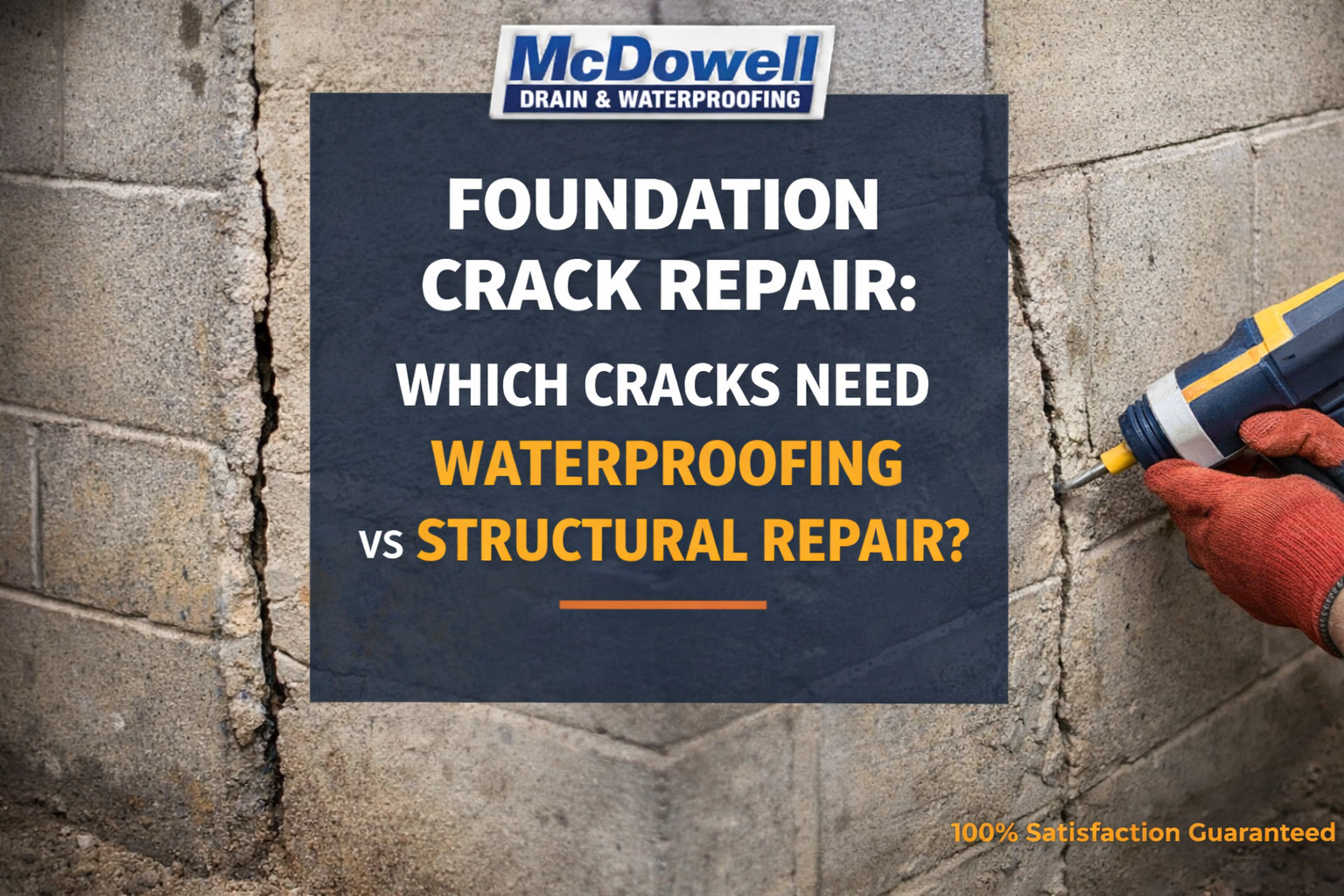
1. Cracks in the Foundation
Concrete doesn’t stay perfect forever. It expands, it contracts, and after a few seasons, it starts forming hairline cracks. Nothing dramatic — just tiny openings that water loves to sneak through.
You may not notice much at first.
Maybe a light patch on the wall.
Maybe a bubble under the paint.
Sometimes even a faint, damp smell that won’t go away.
These cracks grow slowly, but the moisture they allow in creates long-term trouble if ignored. If this keeps happening, an inspection from foundation repair experts can stop the cracks from spreading further.
2. Water Collecting Around the House
Rainwater should never sit near your home. But when the ground slopes the wrong way, or gutters aren’t doing their job, water starts pooling around the foundation. And the moment it finds weak spots, it works its way in.
A few common reasons:
– Gutters stuffed with old leaves
– Downspouts ending too close to the house
– Soil sinking toward the walls instead of away
Even a small amount of standing water outside can become a steady leak inside. For homes where outside moisture keeps returning, exterior basement waterproofing Niagara falls helps stop it before it reaches the walls.
3. A Sump Pump That Gives Up
The sump pump is supposed to quietly protect your basement. Most of the time, you don’t even think about it. But when it stops — for any reason — the basement becomes the lowest point where water gathers.
It fails when:
– The motor wears out
– The pit is clogged with dirt or stones
– A power outage hits at the worst time
– The pump is simply too old
When the pump goes silent, water takes charge. A failing pump should be checked or replaced with proper sump pump installation before it leads to flooding.
4. Rising Groundwater Pressure
After heavy rains, the ground becomes completely soaked. At that point, the water underground isn’t just sitting there — it’s pushing. That pressure forces moisture into the walls, even if the basement looks solid from the outside.
Sometimes it shows up as a slow stain.
Sometimes the floor feels slightly damp.
And sometimes, the smell gives it away before you see anything.
This type of moisture creeps in quietly and stays longer than you expect.
5. Hidden Plumbing Leaks
Not every leak comes from outside. Sometimes, the problem is right above you — a pipe that isn’t sealed properly or a joint that has loosened over time. Even a minor drip, if unnoticed, can leave marks on the basement walls and floor.
You might see:
– A small wet circle on the ceiling
– A line of moisture running down the wall
– Random patches that dry and reappear
Internal leaks are slow but stubborn. When indoor leaks mix with outdoor moisture, calling a professional for drain repair and replacement helps stop the problem at the source.
Simple Fixes That Actually Help
(One-time bullet list exactly as you requested.)
- Clean all gutters and downspouts regularly.
- Make sure your yard slopes away from the house.
- Seal foundation cracks before they spread.
- Test your sump pump once or twice a year.
- Add waterproof coating on basement walls.
- Fix plumbing leaks as soon as you notice them.
The Long-Term Approach (If You Want Peace of Mind)
Short fixes work for a while, but if your basement keeps getting damp, you’ll need something stronger. Modern waterproofing materials — especially polyurethane products — go deep into the concrete and close off the pathways water uses to travel.
Once sealed, the walls stay firm, dry, and much safer from future leaks.
It doesn’t just block water… it strengthens the whole structure.
For complete moisture protection, many homeowners switch to full to avoid repeat issues.
Final Thoughts
A basement leak doesn’t mean your home is falling apart. In most cases, it’s simply a sign that something needs attention. It could be the grading outside, a worn-out sump pump, or even a small crack quietly forming behind the paint that may later lead to visible efflorescence if moisture issues are left unresolved.
Catch it early, act calmly, and you avoid bigger repairs later.
Your basement can stay dry — it just needs a bit of care, the right fixes, and occasional checks. Do that, and it becomes a stable, quiet space again… exactly how it should be.
For quick help or a full inspection, you can always start with local basement repair specialists who handle these issues every day.